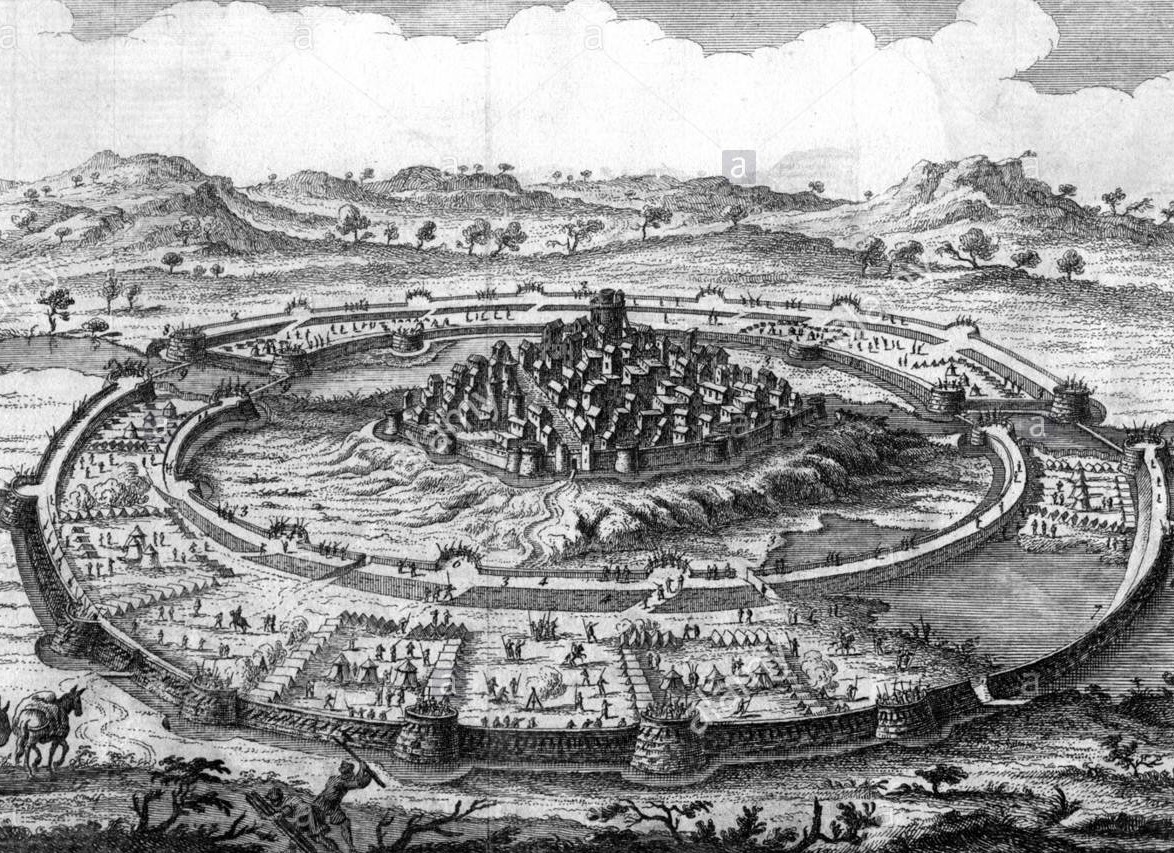
Numantia was ancient group of celts settlement , whose remains are located 7 km north of the city of Soria, on a hill known as Cerro de la Muela in the municipality of Garray.
The ancient romans were used to being defeated. Like the rulers of most of history’s great empires, they could lose battle after battle but still win the war. An empire that cannot sustain a blow and remain standing is not really an empire. Yet even the Romans found it hard to stomach the news arriving from northern Iberia in the middle of the second century BC. A small, insigniɹcant mountain town called Numantia, inhabited by the peninsula’s native Celts, had dared to throw oʃ the Roman yoke. Rome at the time was the unquestioned master of the entire Mediterranean basin, having vanquished the Macedonian and Seleucid empires, subjugated the proud city states of Greece, and turned Carthage into a smouldering ruin. The Numantians had nothing on their side but their ɹerce love of freedom and their inhospitable terrain. Yet they forced legion after legion to surrender or retreat in shame.
Eventually, in 134 BC, Roman patience snapped. The Senate decided to send Scipio Aemilianus, Rome’s foremost general and the man who had levelled Carthage, to take care of the Numantians. He was given a massive army of more than 30,000 soldiers. Scipio, who respected the ɹghting spirit and martial skill of the Numantians, preferred not to waste his soldiers in unnecessary combat. Instead, he encircled Numantia with a line of fortiɹcations, blocking the town’s contact with the outside world. Hunger did his work for him. After more than a year, the food supply ran out. When the Numantians realised that all hope was lost, they burned down their town; according to Roman accounts, most of them killed themselves so as not to become Roman slaves.
Numantia later became a symbol of Spanish independence and courage. Miguel de Cervantes, the author of Don Quixote, wrote a tragedy called The Siege of Numantia which ends with the town’s destruction, but also with a vision of Spain’s future greatness. In 1882, its ruins were declared a national monument’ and became a pilgrimage site for Spanish patriots. In the 1950s and 1960s, the most popular comic books in Spain weren’t about Superman and Spiderman – they told of the adventures of El Jabato, an imaginary ancient Iberian hero who fought against the Roman oppressors. The ancient Numantians are to this day Spain’s paragons of heroism and patriotism, cast as role models for the country’s young people.
The final siege of Numantia began in the year 134 BC. Scipio Aemilianus, who was a Roman consul at that time, was in command of an army of 30,000 soldiers. His troops constructed a number of fortifications surrounding the city as they prepared for a long siege. Resistance was hopeless but the Numantians refused to surrender and famine quickly spread through the city. After eight months most of the inhabitants decided to commit suicide rather than become slaves. Only a few hundred of the inhabitants, exhausted and famished, surrendered to the victorious Roman legions.
Source: Sapiens-A brief history of humankind , Wikipedia.

 TECH and LIFE STYLE
2 replies on “Seige of Ancient Numantia against Roman Empire”
Really Appreciate this update, how can I make is so that I get an alert email whenever there is a new post?
LikeLike
Nice Bro
LikeLike