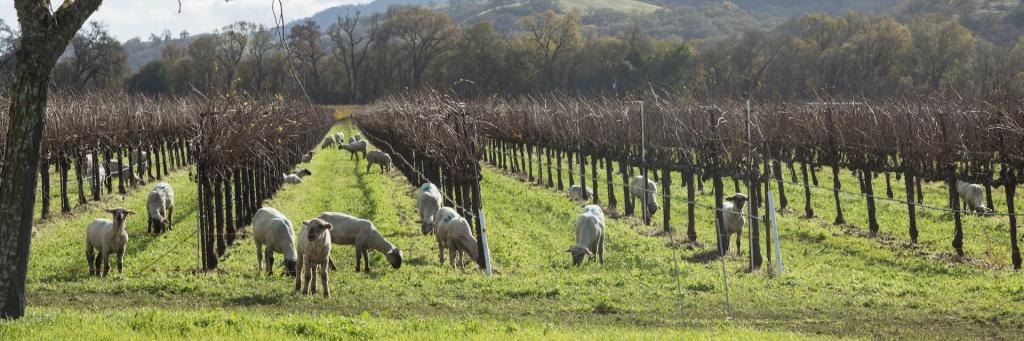
It has the potential to reduce more than 31 gigatons of carbon dioxide, that’s more than three times possible with the use of Electric cars.
You might be wondering what the hell on this planet is this silvopasture that has such a significant impact on reversing climate change.
Well! let me make it simple for you.
Silvopasture is the ancient practice of raising Trees, Animals, and Pasture(grasses) on the same field, a form of land that is commonly forested in parts of the world. It might sound like a form of agroforestry but they’re different because they integrate trees and animals on the same piece of land. How it works is that trees provide shade to animals and also low-hanging fruits for them, meanwhile, animals provide them with the required fertilizer, and also their grazing helps tree growth as a form of pruning.
It is practiced in some parts of the world like dehesa(grassland) system in southern Spain where pigs graze on the grass and are surrounded by trees. A similar system is practiced in Southern Portugal. Another example of this silvopasture includes Espinal of Central Chile and the Galajars of Iran. Across Pacific islands, they have cultured this for millennia to produce an abundance of food on a small piece of land. In Panama and Columbia, silvopasture is helping reverse the damaging history of poorly managed cattle ranching by Spanish settlers. Countless smallholder systems shaped ancient agricultural practices and persist today with little documentation because dryland climate animals require shelter to survive hot weather.
Many have documented the numerous benefits of silvopasture, including improved biological diversity, improved water quality, reduced soil erosion, improved soil-water holding capacity, and enhanced pest management. But this is nothing in front of sequestering carbon. Soil carbon is primarily built up through carbon-rich substances released by plant roots, which explains why a farming system that includes trees can be a climate win.
This agricultural practice was the ninth most carbon emissions-reducing solution ahead of rooftop solar panels, electric cars, and any other agricultural practices on the list generated by some researchers. It has the potential to reduce more than 31 gigatons of carbon dioxide that’s more than three times the reduction possible with the help of the use of electric cars. But still, this practice is so rare that we hardly ever heard of this practice.
In 2012 US Department of Agriculture asked farmers whether they are practicing silvopasture and similar practices. Just 2,725 out of 2.1 million farmers reported using silvopasture. This practice is so rare that farmers need to travel out of state to find a single example.
What is possible is restoring the relationships – among plants, animals, and people – that not only rebalance the climate cycle but more deeply tie us to places and the people with whom we share them. Instead of looking to static models of how to farm sustainably, we have to deepen our dialogues with the plants and animals in this boat with us and focus more on dynamic principles rather than prescriptive practices. When animals are integrated into cropping systems, instead of cooped up in factory farms, their manure becomes healthy soil, not just methane emissions.

 TECH and LIFE STYLE