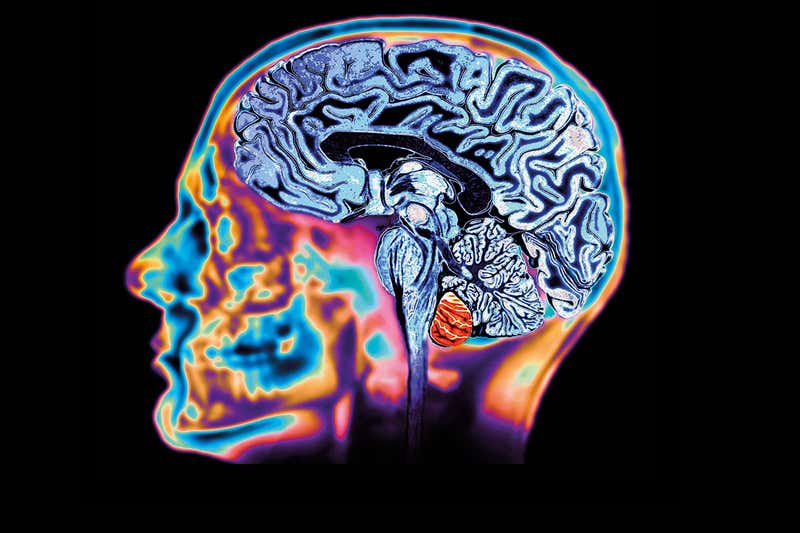
PATTERNS of electrical brain activity have been used to tell when people are sad, happy or depressed. The advance could lead to new ways of treating those with depression or anxiety using devices that constantly monitor their mood via brain signals.
Altering brain activity could help relieve depression and anxiety
By activating electrodes implanted in specific regions of people’s brains – a process called deep brain stimulation, or DBS – it is already possible to ease conditions including depression, bipolar disorder, Tourette’s syndrome and obsessive compulsive disorder. There have also been advances towards “mind-reading”: deducing memories and internal thoughts by monitoring the brain’s electrical activity. Ultimately, the aim is to program the devices so they activate mood-uplifting brain networks when they detect potentially dangerous negative emotions.
Now it is possible to decipher mood too. “We’ve discovered how mood variations can be decoded from neural signals in the human brain,” says Maryam Shanechi at the University of Southern California, who is lead researcher on the project. “It’s a significant step towards creating new therapies that use brain stimulation to treat debilitating mood and anxiety disorders.” Shanechi and her colleagues recruited seven people with epilepsy who had each been temporarily fitted with implanted electrodes to identify major sources of their seizures. By monitoring the electrical output from the electrodes, the team homed in on “fingerprint” patterns of activity across the brain that closely corresponded with the specific moods each person was experiencing.
Shanechi stresses that decoding is only a first step. For a device to be able to treat people as well as monitor mood, for example, the team needs to establish which parts of the brain must be stimulated to head off impending depression or anxiety. The safety and inconvenience of implanting electrodes is also a major hurdle, but non-invasive systems are being developed that use electrodes on the head to stimulate brain regions. “Mood is very hard to measure,” says Thomas Schlaepfer, who uses DBS to treat depression at University Hospital Freiburg in Germany. “The fact they find mood correlates with predictive electrical signals is stunning, and a lovely concept.” ■
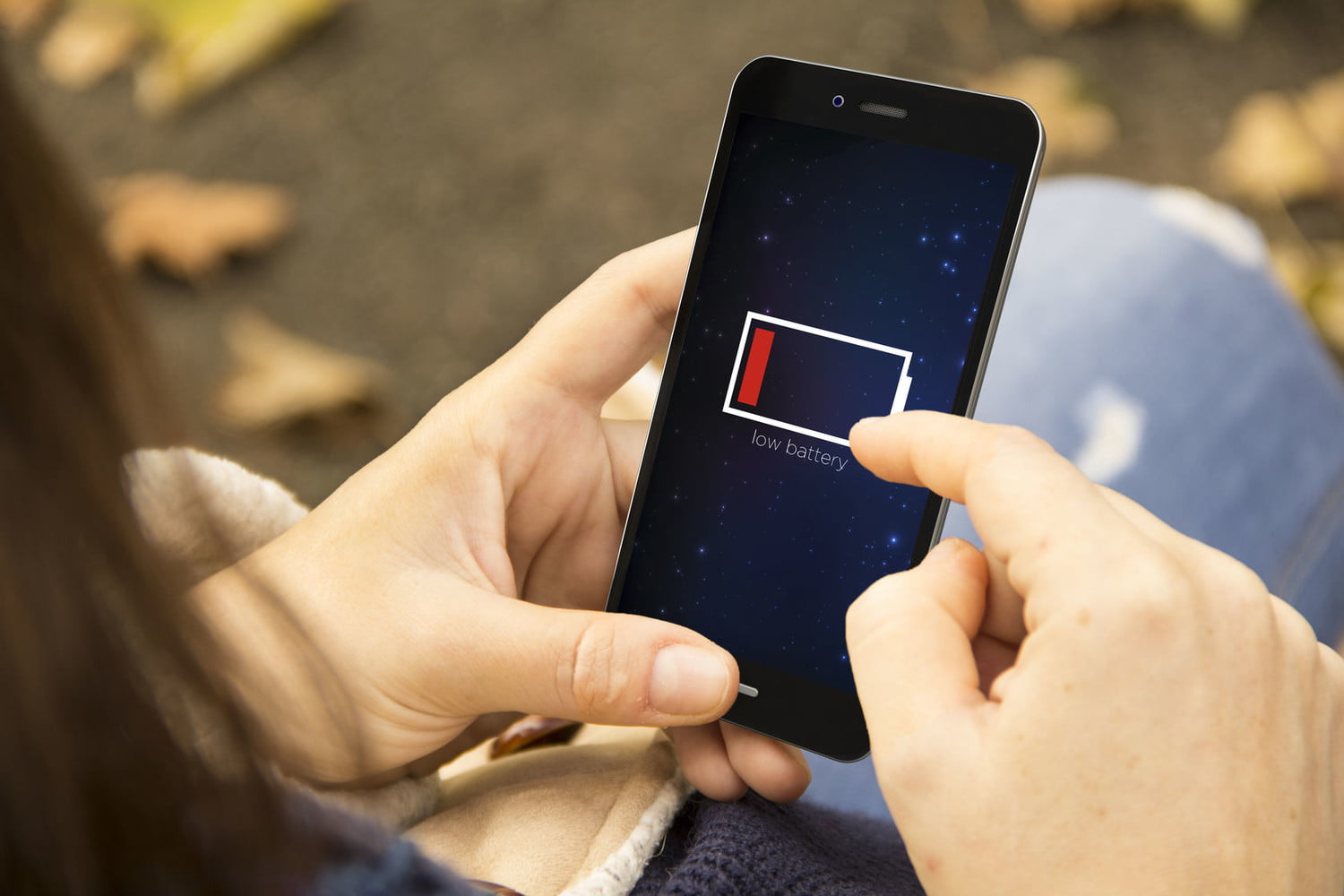
According to Battery University when you Charge your smartphone fully then remove charger instantly.It is like that only giving relaxation to body while Exercising.
We all know that our smartphone battery not last for a day,but it’s not wrong to say that it our problem. Now you are thinking how our problem. Simply think off it, Many of us charge upto 100% whereas someone charges it whole night ant not even switch off.
Battery university research says how lithium oil battery in smartphone will work Good. If you want to keep battery healthy the thing is that you should follow some rules :
1) You should not charge your battery whole night. 2) Don’t charge for more time if it already reached 100%. 3) Try not to charge it upto 100%. (Acc BU li-oin battery need not to be charged fully) 4) Try to charge your phone many times for small period of time in a day.
It is good to charge it suddenly inspite of after long use. It is good to charge when it is below 10%. But everyone are not friendly in this way. So try to charge at any time.
Charging many times a day is good job , inspite of this GPS based location feature that are used rarely must be off because it drain your smartphone battery Fastly than average.












 TECH and LIFE STYLE